If you need to use a UK-issued document abroad, especially in countries that are members of the Hague Apostille Convention, you’ll probably need an apostille certificate. In this complete guide, you’ll learn:
What an apostille is
When it’s required
Which UK documents can be apostilled
Step-by-step UK apostille process
Extra legalisation steps for Gulf countries
Common mistakes to avoid
What is an Apostille?
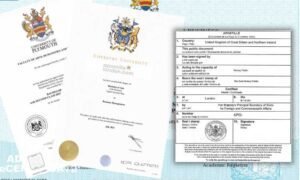
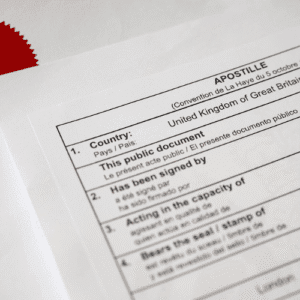
An apostille is an official certificate issued by the UK’s Foreign, Commonwealth & Development Office (FCDO) that verifies the authenticity of a UK public document.
It confirms that the signature, seal, or stamp on your document is genuine, allowing it to be legally recognised abroad.
Example: If you need to present your UK birth certificate to authorities in Spain, the apostille ensures it’s accepted without further verification.
When Do You Need an Apostille?
You’ll need an apostille if:
You’re moving abroad for work, study, or marriage.
You need to submit legal documents overseas.
You’re opening a business or bank account abroad.
You’re dealing with foreign courts or notaries.
Hague Apostille Convention countries accept apostilles directly.
Non-Hague countries (like the UAE, Saudi Arabia, and Qatar) often require embassy attestation after the apostille step.
Which UK Documents Can Be Apostilled?
Personal Documents:
Birth, marriage, and death certificates
UK passports & certified ID copies
Police certificates (ACRO, DBS)
Educational diplomas and transcripts
Business & Legal Documents:
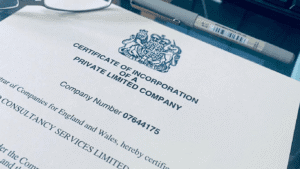
Certificates of incorporation
Articles of association
Powers of attorney
Contracts & commercial agreements
Tip: Originals are preferred. If you’re submitting a copy, it must be certified by a UK solicitor or notary public before the FCDO can issue an apostille.
Step-by-Step Process for Getting an Apostille in the UK
Step 1: Check Eligibility
Make sure your document is on the official UK government list of acceptable documents.
External Link: UK Gov – Legalise a Document
Step 2: Get Certification (if required)
If the document is a photocopy or needs verification, take it to a UK solicitor or notary public for certification.
Step 3: Submit to the FCDO
The UK FCDO offers two services:
Standard Service: 2–5 working days
Premium Service: Same-day legalisation (London only)
Primary Keyword Target: apostille UK, UK apostille service
Step 4: Pay the Fees
As of 2025, the fee is £40 per document (plus return delivery charges).
Step 5: Receive the Apostilled Document
The FCDO attaches an official apostille certificate to your document and returns it via your chosen delivery method.
Apostille for Gulf Countries – Additional Legalisation
If your documents are for UAE, Saudi Arabia, or Qatar:
Get the UK FCDO apostille.
Have the document legalised at the relevant embassy in London.
Translate into Arabic using a certified translator if required.
Primary Keywords: UK embassy attestation, document legalisation for Gulf
How Long Does the Process Take?
| Service Type | Timeframe | Suitable For |
|---|---|---|
| Standard FCDO | 2–5 working days | General cases |
| Premium FCDO | Same day | Urgent legalisation |
| Embassy + Apostille | 1–3 weeks | Gulf / Non-Hague states |
Common Mistakes to Avoid
Submitting ineligible documents
Skipping solicitor certification for copies
Using unofficial translations
Leaving too little time for embassy processing
Why Use a Professional Apostille Service?
Professional agents like Momento Apostille can:
Handle end-to-end processing (certification → apostille → embassy)
Ensure documents meet requirements before submission
Save time for urgent cases
Reduce risk of rejection
Internal Links to Add:
Apostille Services page
Embassy Legalisation page
Certified Translation page